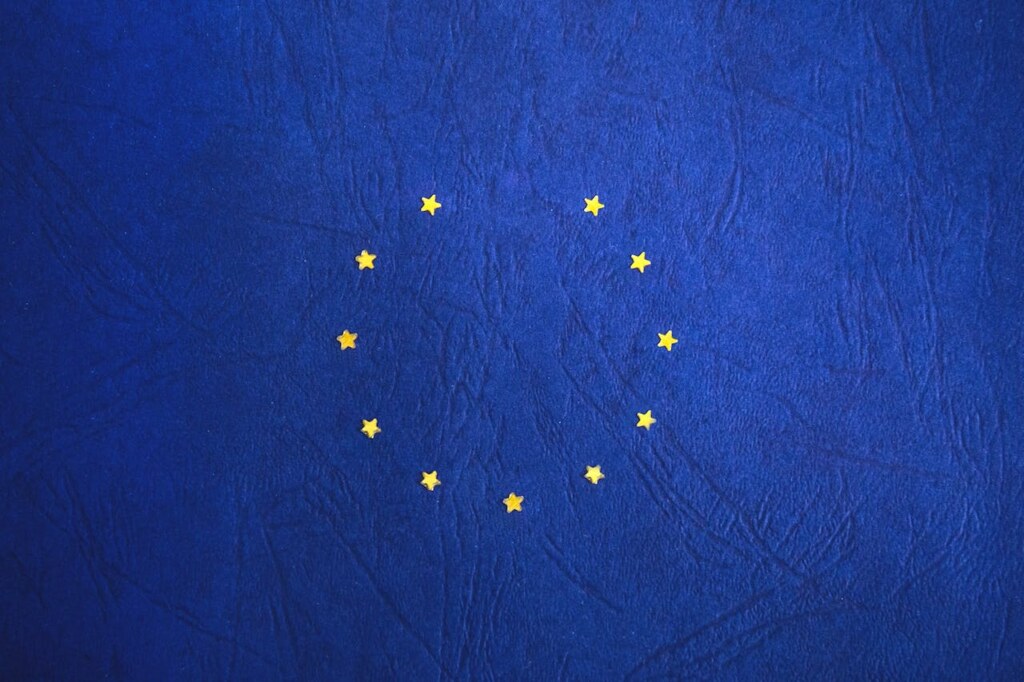
It's here, Brexit is upon us with a brief transition period. January 31, 2020, is the official date of the United Kingdom's departure from the European Union. Spain is one of the most affected European partners, with over 16 billion euros at stake in tourist revenues and around 20 billion euros in exports. Specifically for Galicia, the UK is its fourth-largest commercial customer in terms of export volume, accounting for 7% of the total. What will be the consequences of Brexit for SMEs and self-employed individuals? While we await all that needs to be negotiated and clarified in 2020, let's discuss some of the changing scenarios for SMEs and self-employed individuals.
Currency
The first effects on the currency are already taking place with a significant devaluation of the pound. This immediately results in a cheaper price for British imports in Spain and, conversely, an increase in the cost of Spanish exports to the UK. This will undoubtedly have an impact on the volume of business and lead to price adjustments.
Goodbye to the free movement of goods and capital
This implies the introduction of a new tariff and tax system that is yet to be determined. We will transition from intra-community operations to customs formalities because the flow of goods between Spain and the UK will no longer be considered intra-community operations, but rather subject to customs formalities applicable to extra-community operations. This will not only involve tariffs and bureaucratic formalities but, depending on the case, may also entail other charges and obligations such as inspections, health certifications, etc.
In this regard, as reminded by the Tax Agency, economic operators will need to identify themselves for customs purposes with a registration and identification number (number EORI), valid throughout the European Union.
The import of goods, unless opting for a special regime, will involve the payment of customs duties and other charges (anti-dumping), VAT, and excise duties. The levies to be applied will depend on the customs value and tariff classification.
VAT
Regarding VAT, shipments to the UK will be exempted as exports.
On the other hand, imports from the UK will be subject to payment of import VAT. This tax is settled in the customs declaration and must be paid within the corresponding deadlines. However, there is a possibility that, under certain requirements, import VAT can be paid in the declaration-liquidation corresponding to the period in which the document evidencing the settlement made by the Administration is received (deferred VAT). To opt for deferred VAT payment, monthly VAT filings must be submitted. If the declaration period is quarterly, it can be changed to monthly by registering in the Monthly Refund Registry (REDEME). Furthermore, since transactions between Spain and the UK will no longer qualify as intra-community transactions, they do not need to be reported through the recapitulative statement (Model 349).
Regarding services, if services are received from the UK, the reverse charge rule will need to be applied, whereby the recipient of the service self-accounts for the VAT that hasn't been paid to the service provider.
Excise Taxes
We are referring to products such as tobacco or alcohol. Receipts of goods subject to excise taxes from the UK will be handled according to the rules and procedures set forth in the Excise Tax Law for imports.
Shipments of goods subject to excise taxes to the UK will be carried out using the procedure established in the Excise Tax Law for exports.
Conclusion
As we can see, all of this will result in higher economic and bureaucratic costs, as well as delays in the receipt of goods. Of course, during this transition period, numerous agreements will be reached to improve the outlook and mitigate the consequences of this step, as it is beneficial to both parties.